Blog

News, case studies, and technical notes from the QuSpin team.

QuSpin N1 Data Workflow: From Sensor to Source Localization

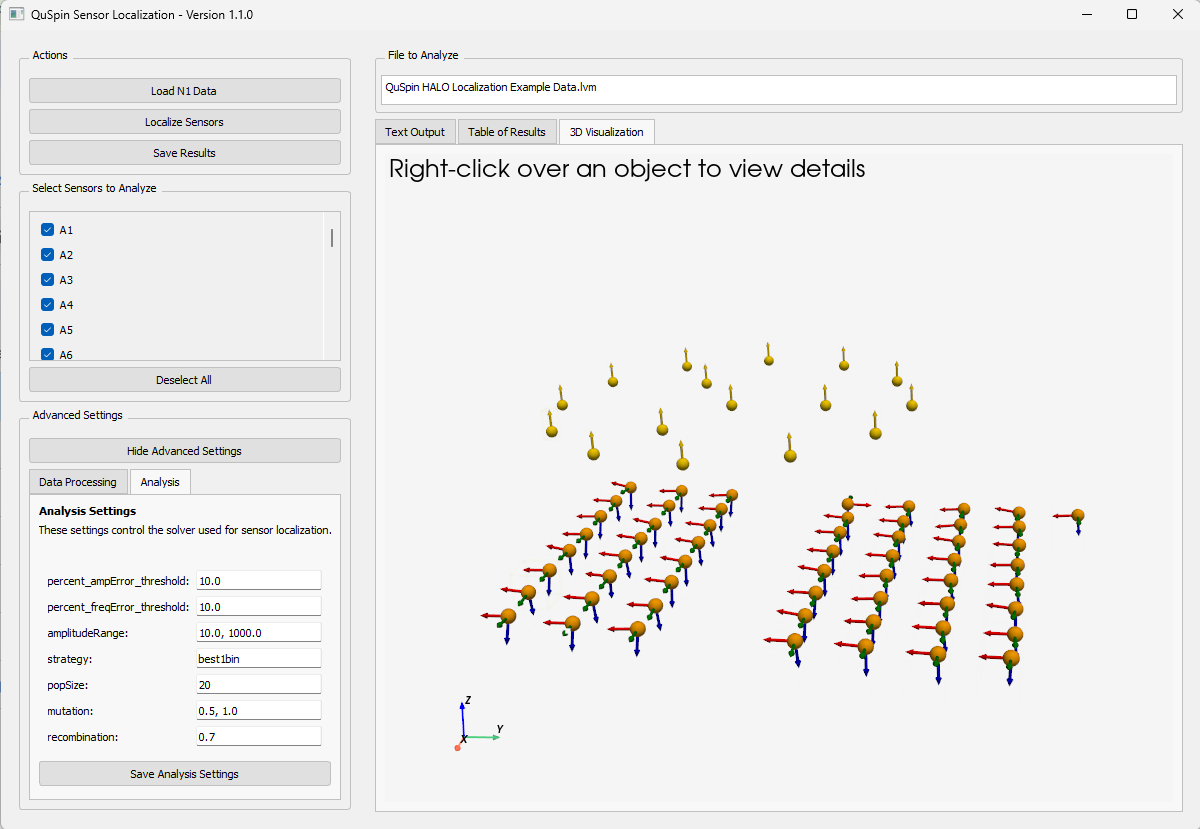
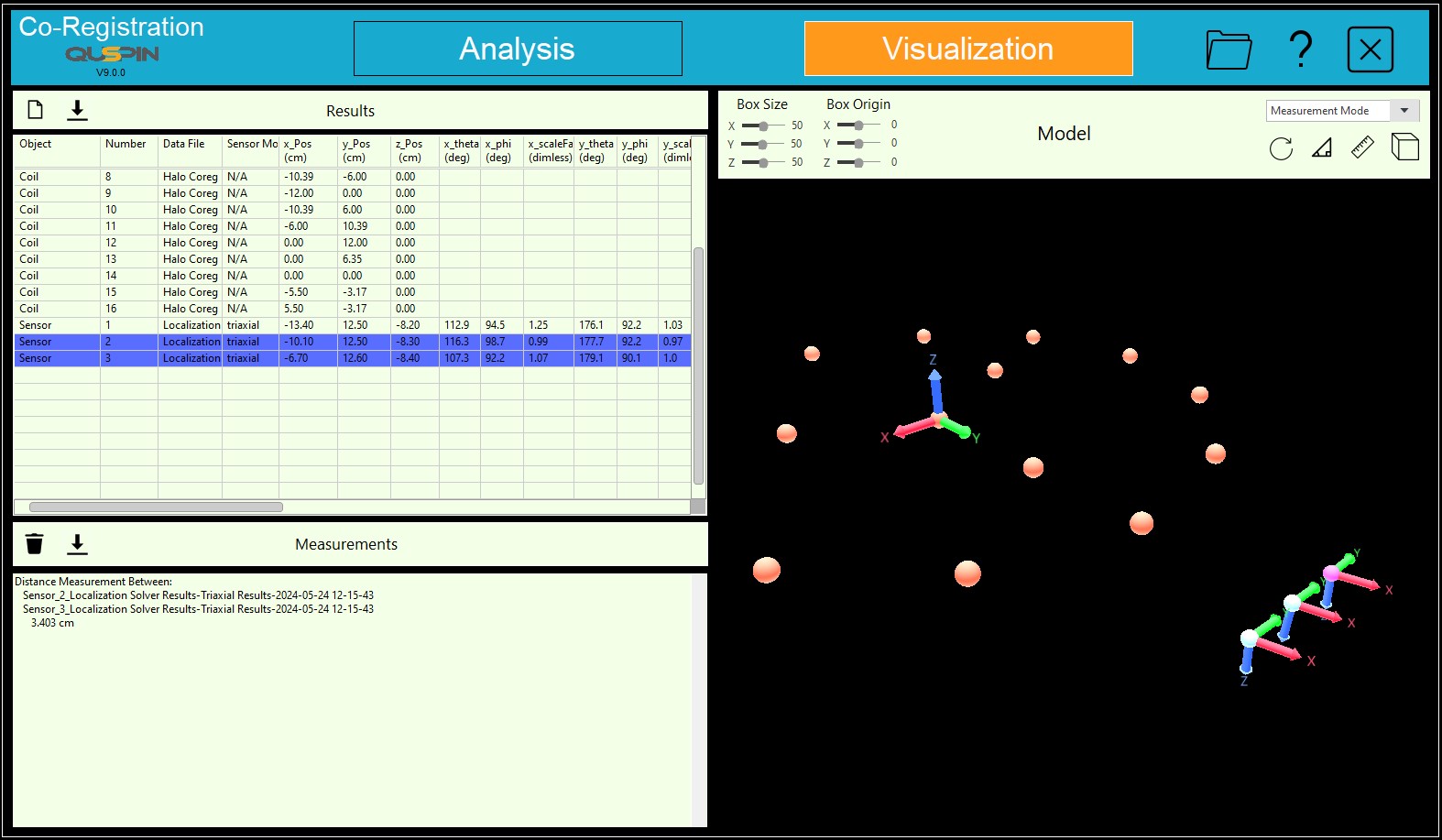
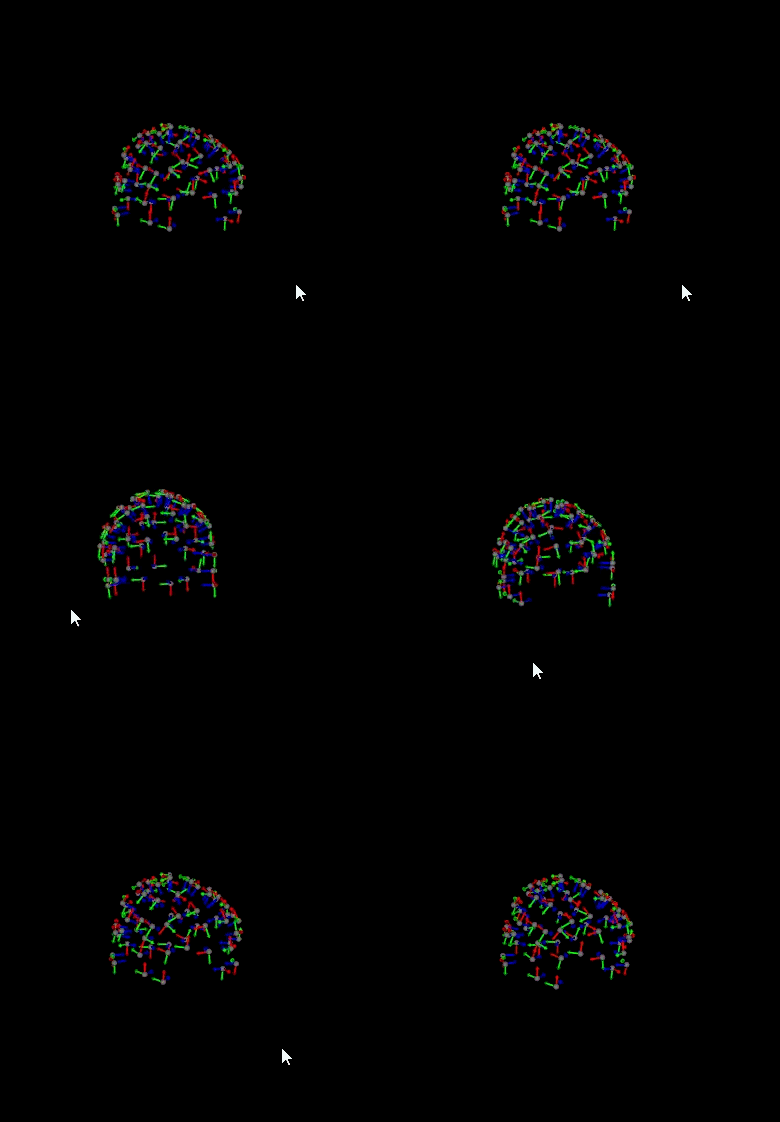
A new tutorial completes QuSpin's Neuro-1 analysis pipeline, guiding users from raw MEG data through sensor localization, preprocessing, forward modeling, and inverse solutions to interactive 3D visualizations of localized phantom data using the open-source MNE-Python ecosystem.

Read Post
Neuro-1: An integrated sensor system for OPM-MEG

Neuro-1: An integrated sensor system for OPM-MEG

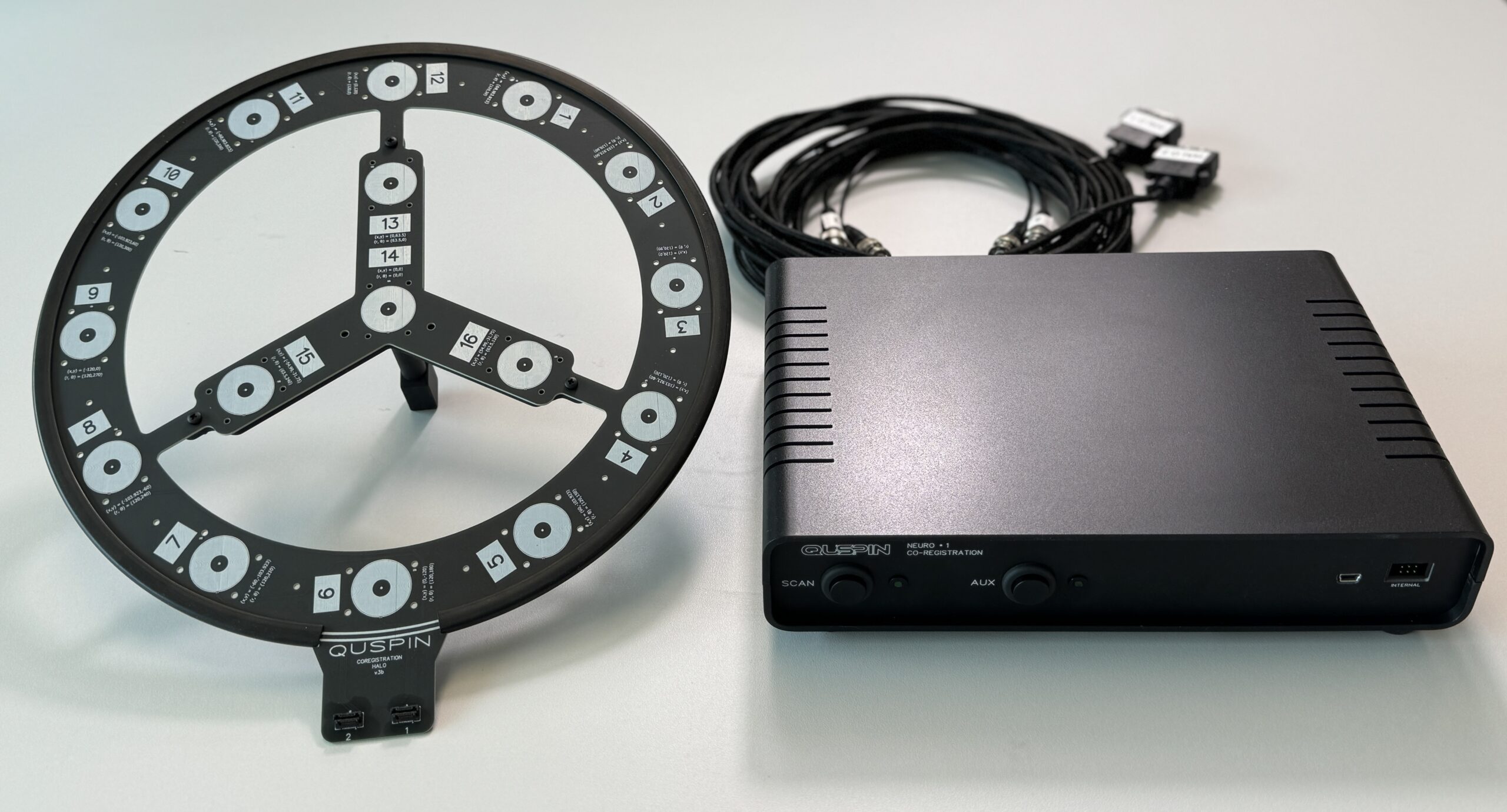
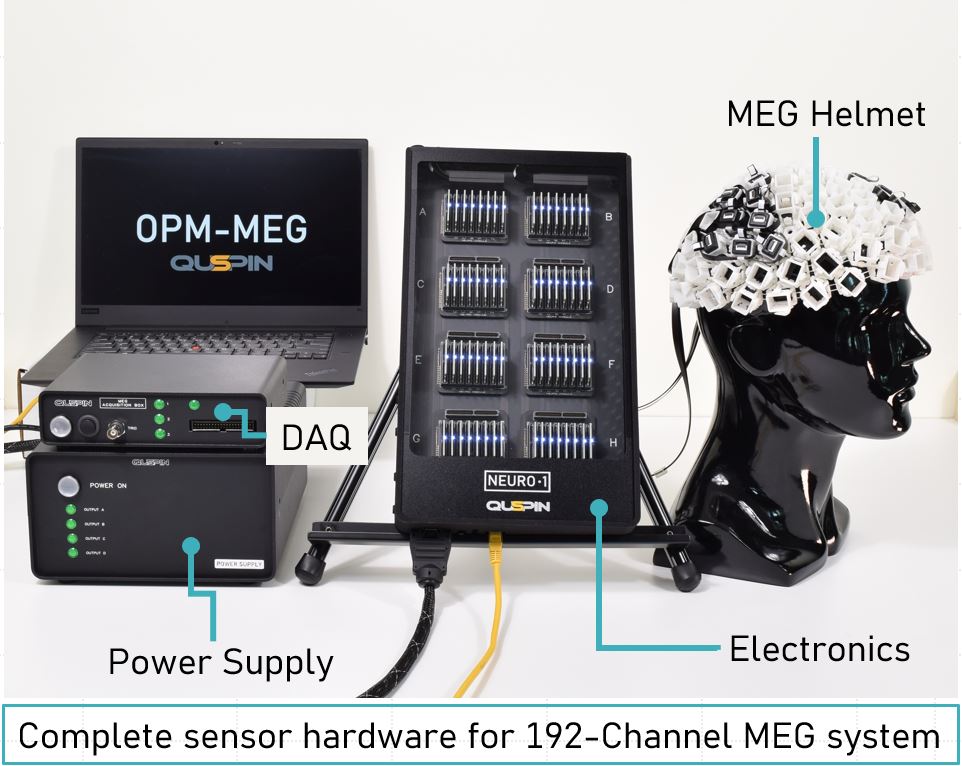
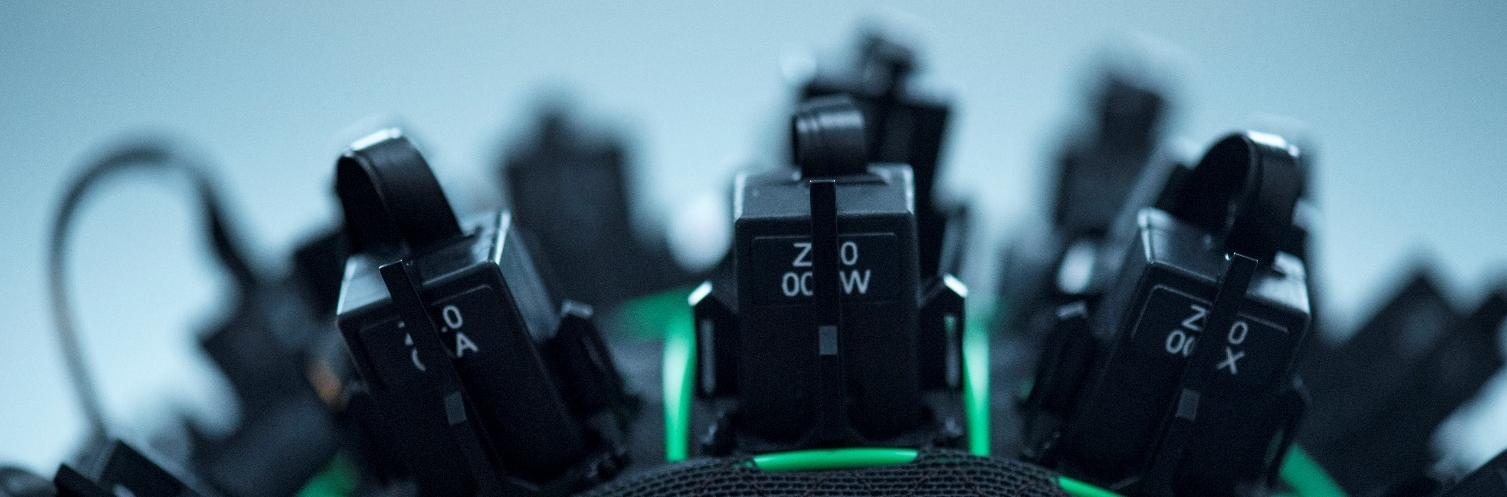
An introduction to Neuro-1, QuSpin's state-of-the-art integrated OPM sensor system for high-channel-density biomagnetic applications such as MEG, combining QZFM sensors, control electronics, data acquisition, and power supply into a unified, wearable system.

Read Post
QTFM Gen-2: A quantum leap for magnetic anomaly detection

QTFM Gen-2: A quantum leap for magnetic anomaly detection

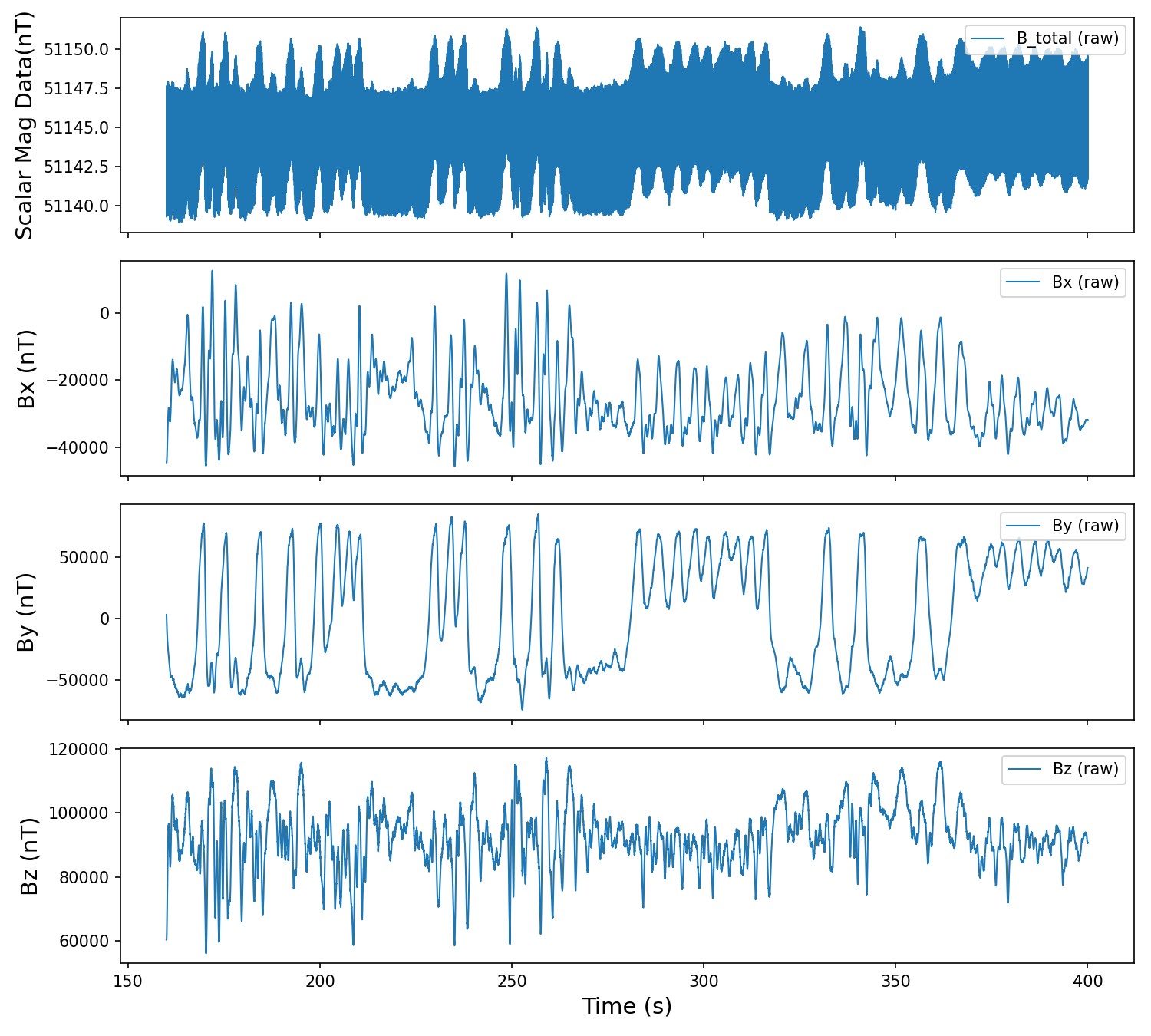
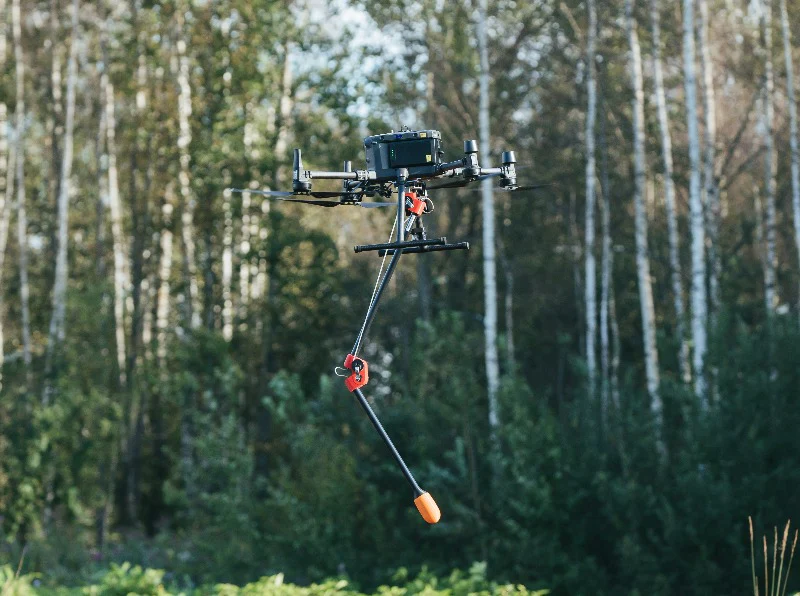
QuSpin's second-generation QTFM scalar atomic magnetometer, redesigned from the ground up for rugged, compact, low-power magnetometry on UAV and underwater platforms, with new features including a negligible deadzone, gradiometer mode, and a hybrid scalar+vector attachment.

Read Post
QZFM Gen-3

QZFM Gen-3

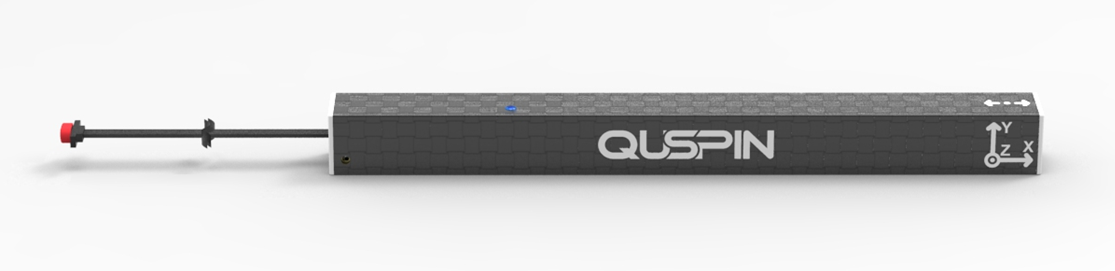
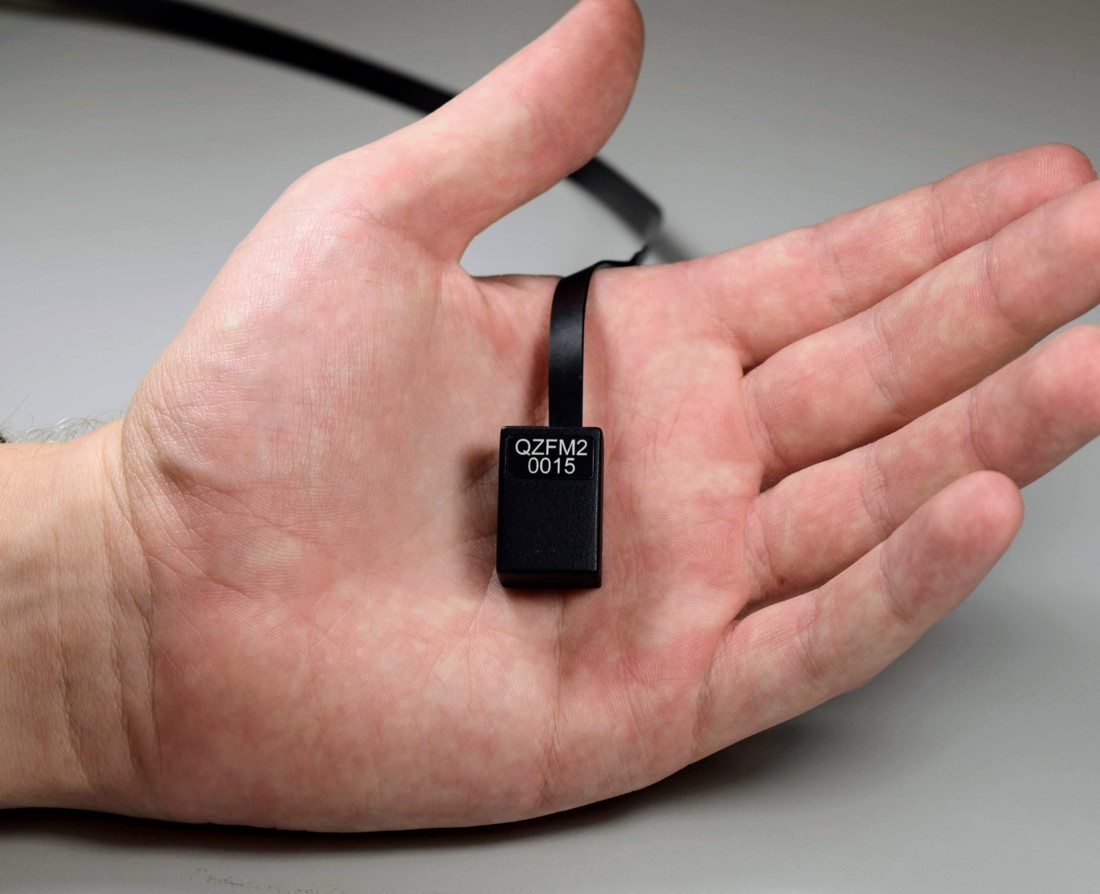
QuSpin announces the third-generation QZFM zero-field OPM sensor, a ground-up redesign focused on reliability, serviceability, low-frequency stability, and a new triaxial sensing mode for high-performance biomagnetic imaging.

Read Post
New Triaxial QZFM

New Triaxial QZFM

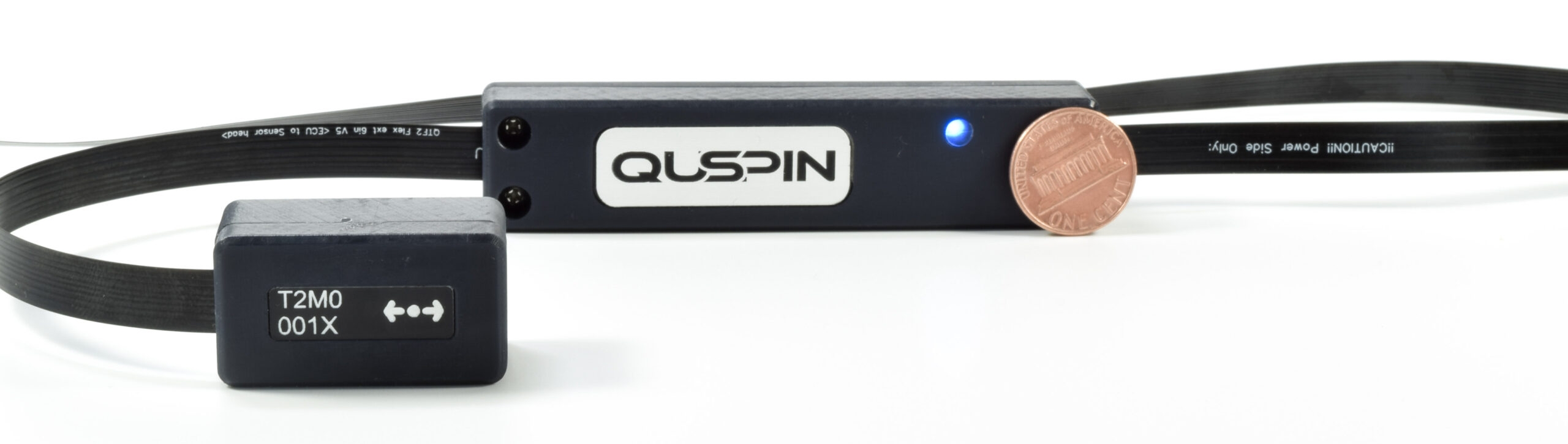
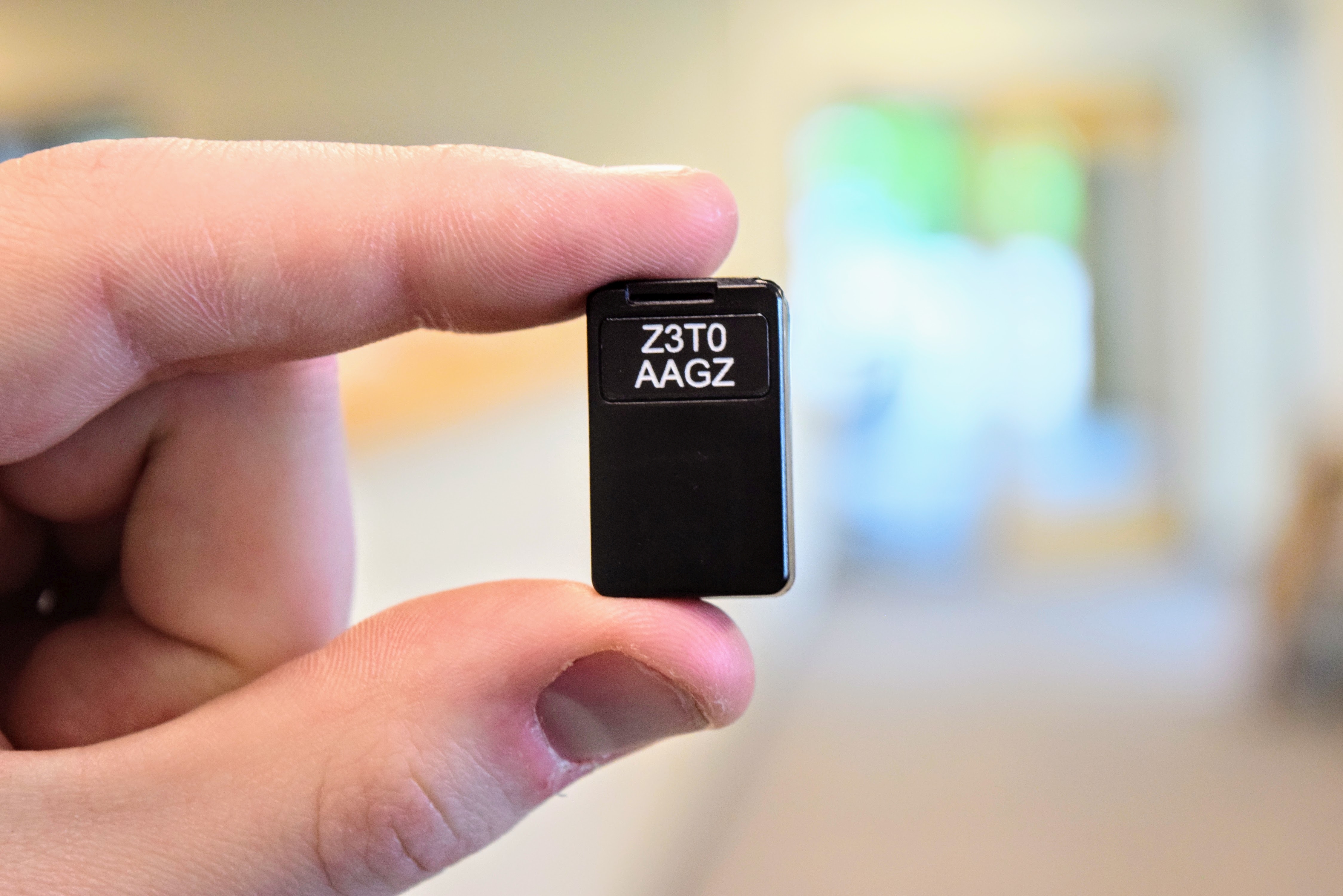
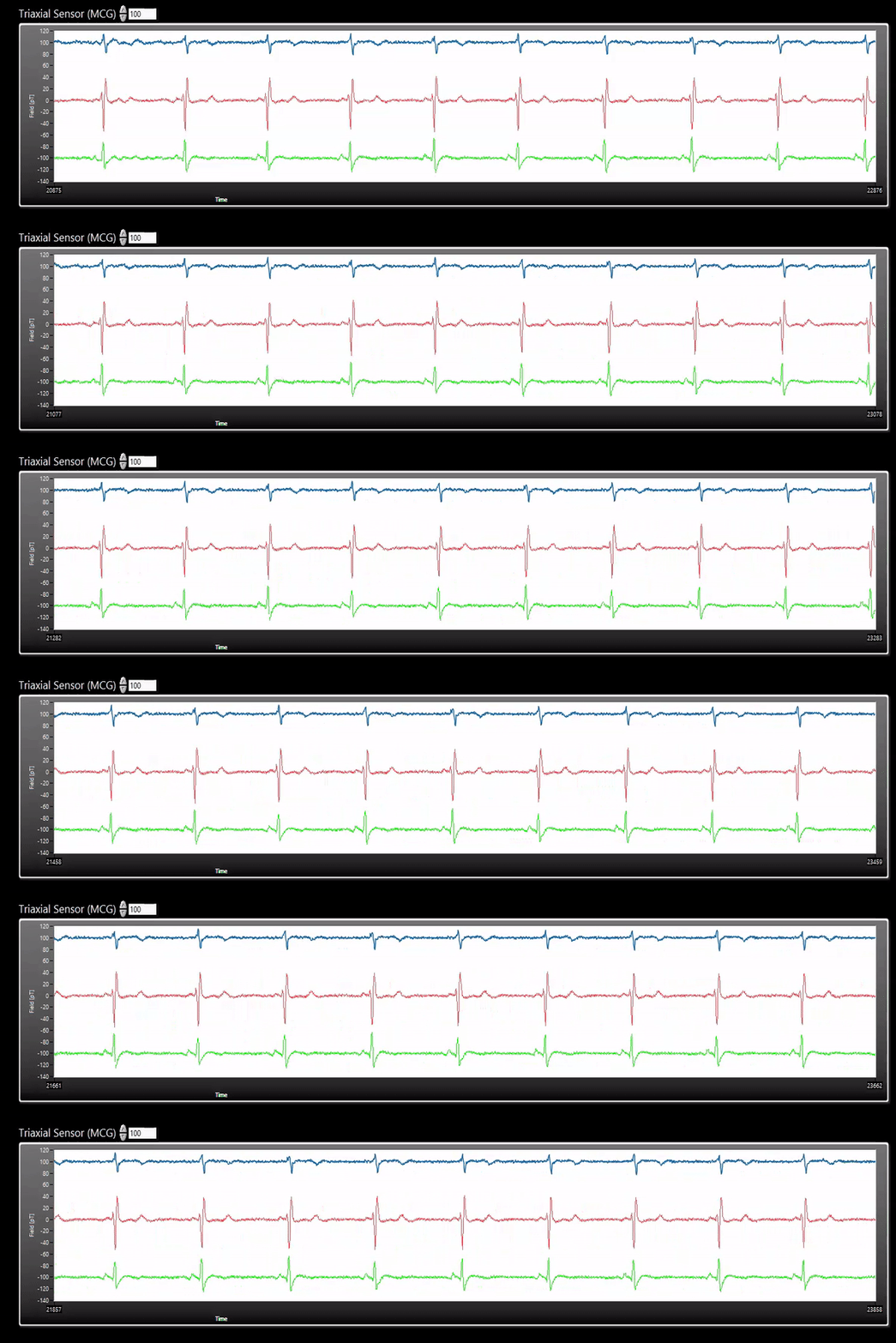
QuSpin introduces a triaxial variant of the Gen-2 QZFM that measures all three magnetic field components with a single sensor, at the same size, weight, power, and cost as the standard sensor.

Read Post
Experimental MEG Cap

Experimental MEG Cap

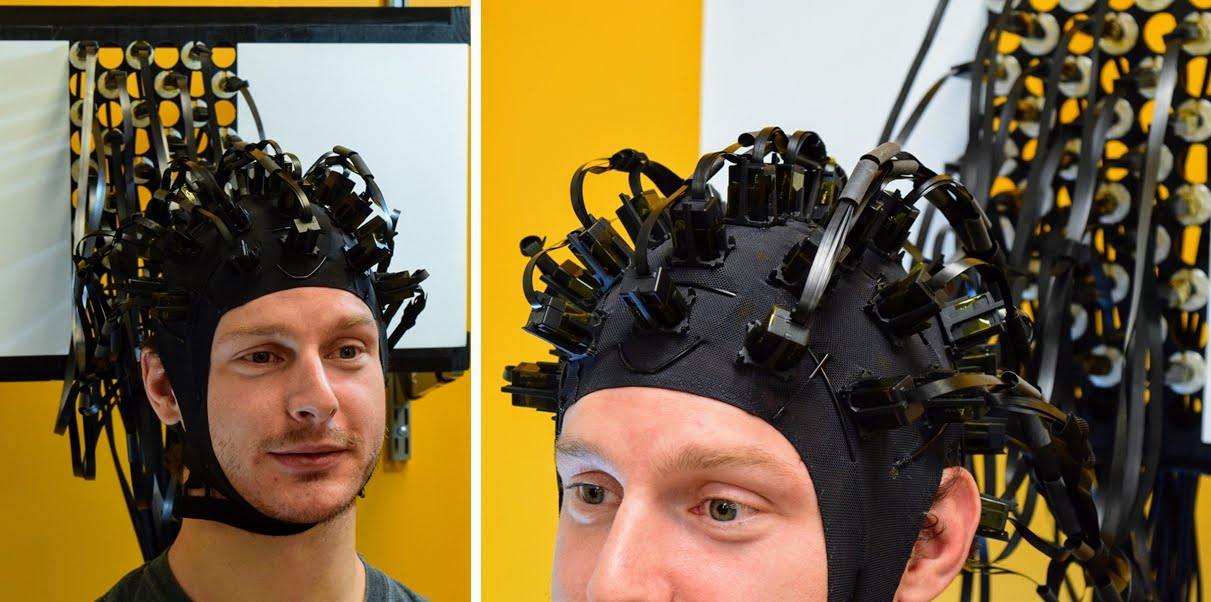
QuSpin explores a lightweight, EEG-like prototype MEG cap holding 30 Gen-2 QZFM sensors, detailing the custom sensor holders, flexible cap construction, and co-registration considerations.

Read Post
A small, low-cost Magnetically Shielded Room

A small, low-cost Magnetically Shielded Room

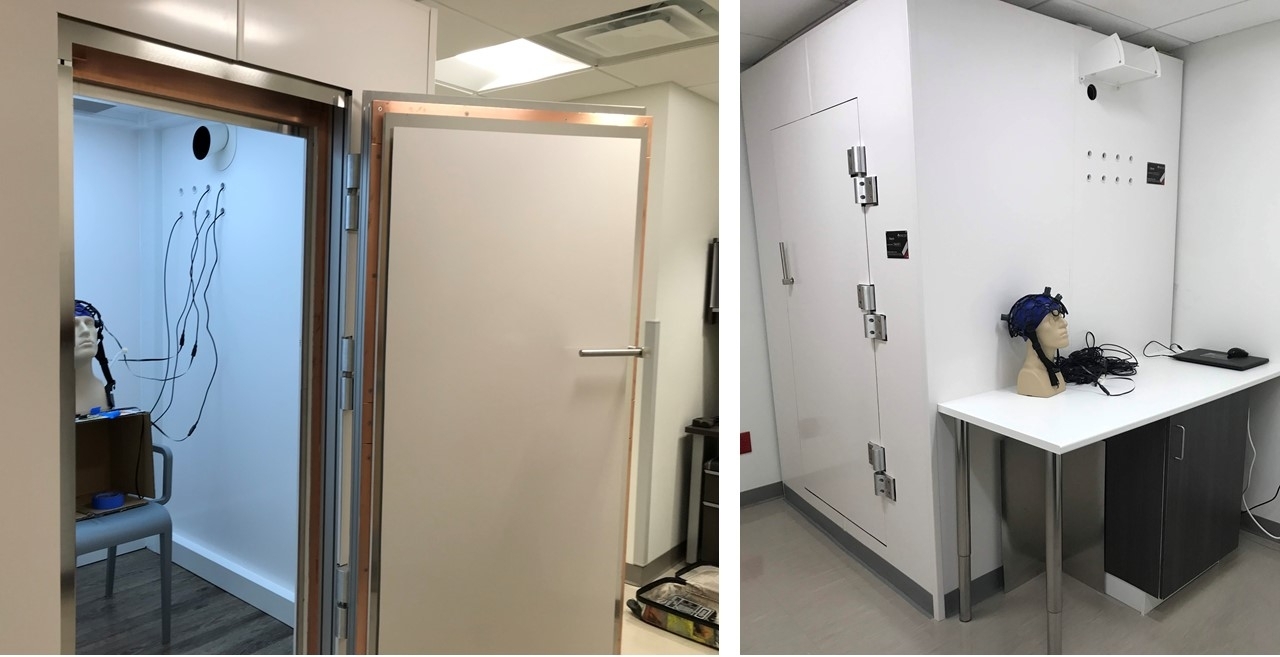
Magnetic Shields Limited commercializes a compact, phone-booth-style magnetically shielded room suited to optical (QZFM) MEG systems at a fraction of the size and cost of traditional MSRs, with full performance specifications.

Read Post

QZFM Discussion Group

QuSpin launches a discussion and support group for QZFM users to share technical questions, results, and tips with the broader community.

Read Post
QTFM: UAV MAD Survey

QTFM: UAV MAD Survey

DiGioia Gray launches WELLSCOUT, an aeromagnetic UAV equipped with QuSpin's QTFM scalar magnetometer to efficiently locate abandoned oil wells and metallic waste for environmental surveys.

Read Post
QZFM Gen-2 (Update)

QZFM Gen-2 (Update)

QuSpin releases the second-generation QZFM sensor, reducing size and weight, improving manufacturability, extending background field tolerance to 200 nT, and moving the MEG form factor closer to EEG.

Read Post

Wearable Magnetoencephalography (MEG)

A Nature paper by E. Boto and coworkers demonstrates a wearable, high-performance MEG scanner built with non-cryogenic QZFM sensors that records brain activity while the head is moving.

Read Post
fMCG Clinical Results from U. Wisconsin

fMCG Clinical Results from U. Wisconsin

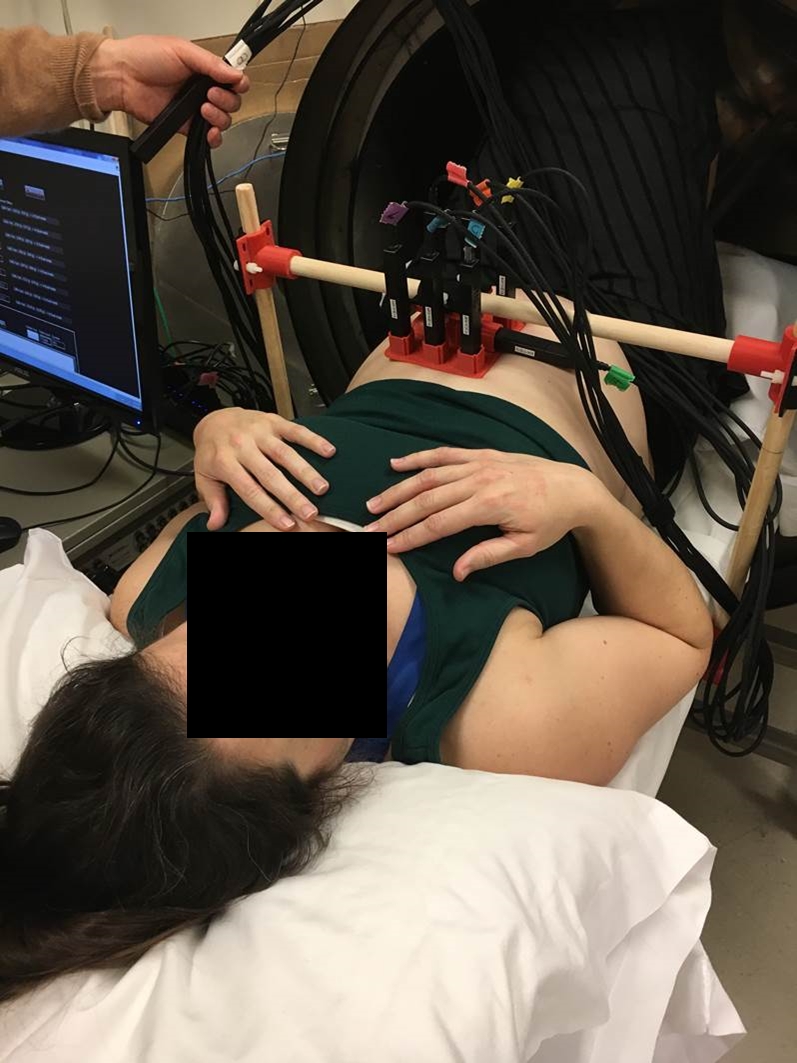
A clinical study at the University of Wisconsin using an experimental OPM (QZFM) fetal magnetocardiography system detected fetal rhythm abnormalities with efficacy similar to an FDA-approved SQUID magnetometer, as published in JACC: Clinical Electrophysiology.

Read Post
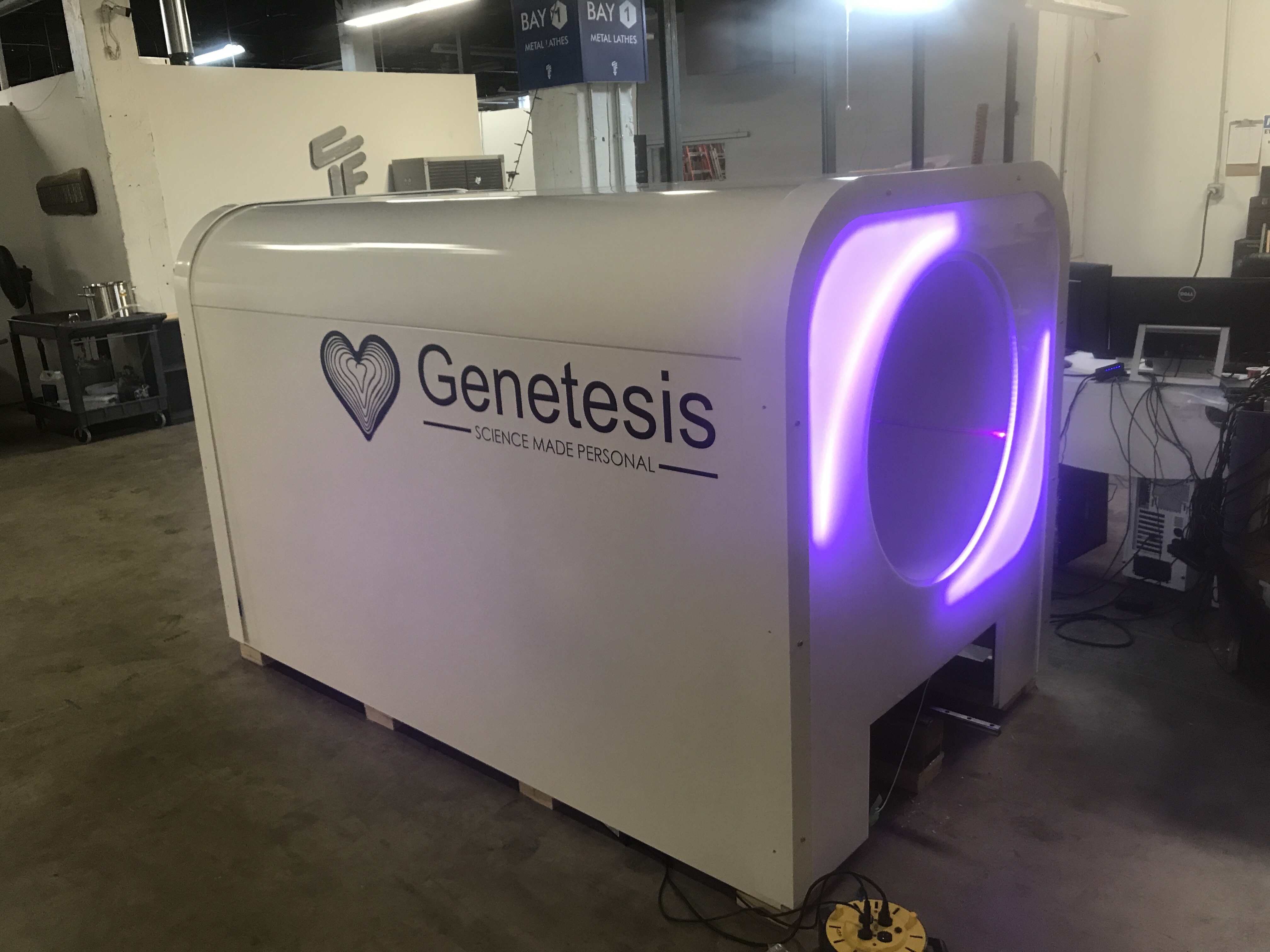
Genetesis CardioFlux MCG System powered by QZFM

Genetesis CardioFlux MCG System powered by QZFM

Genetesis is developing CardioFlux, a clinical-grade magnetocardiography system powered by QuSpin QZFM sensors, using open-ended cylindrical magnetic shields that allow installation in ordinary clinical environments.

Read Post
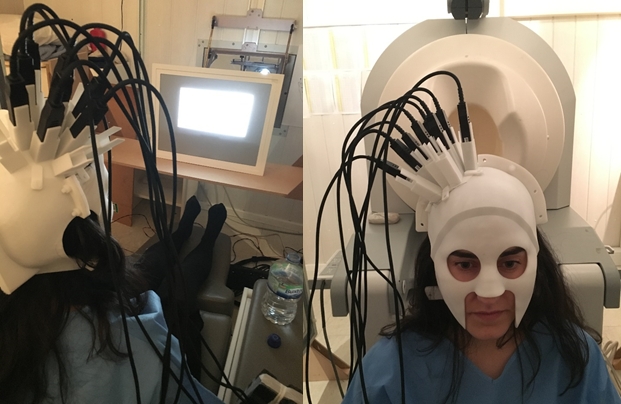
QZFM: Multichannel MEG recordings

QZFM: Multichannel MEG recordings

Results from a Wellcome Trust-funded collaboration between the University of Nottingham and University College London demonstrate multichannel OPM-based MEG, including motor-cortex beamforming with a moving head and accurate somatosensory source localization with QZFM sensors.

Read Post

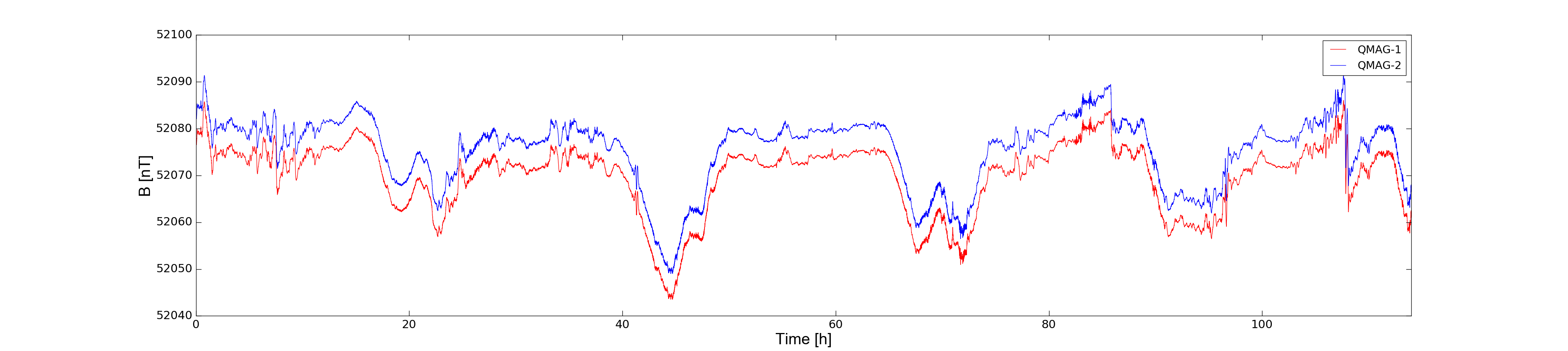
First public demonstration of QTFM

QuSpin gave its first public demonstration of the QTFM magnetometer at the Navy Forum for SBIR/STTR Transition in April 2017, showcasing progress under Navy SBIR topic N141-004.

Read Post
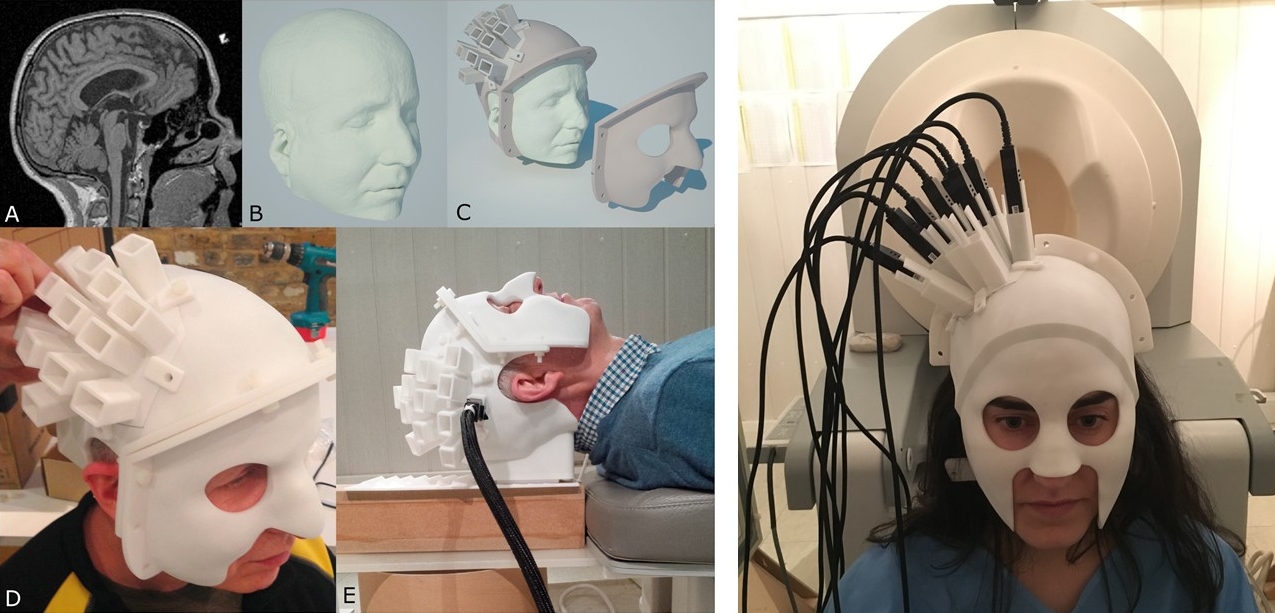
Towards full-head OPM based MEG at University of Nottingham/UCL

Towards full-head OPM based MEG at University of Nottingham/UCL

Researchers at the University of Nottingham and University College London used a single QZFM OPM moved sequentially through 13 helmet slots to measure MEG evoked responses, achieving signals about four times larger than SQUID and source-space SNR comparable to a 271-channel SQUID system.

Read Post
Fetal MCG: Simultaneous measurements with SQUID and OPMs

Fetal MCG: Simultaneous measurements with SQUID and OPMs

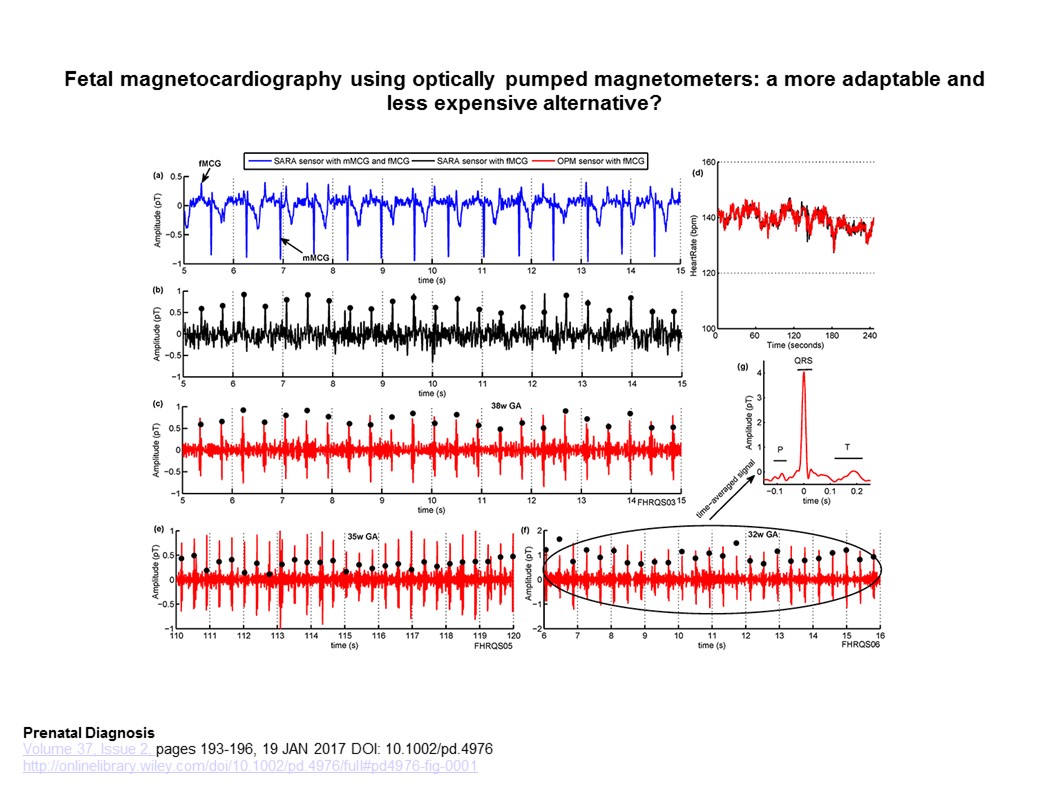
Hari Eswaran and coworkers at the University of Arkansas published a head-on comparison of fetal magnetocardiography recordings from a 151-sensor SQUID system and a 2-sensor QuSpin OPM system, concluding that OPMs are potentially capable of replacing SQUIDs for fMCG.

Read Post
Magnetic Microscope

Magnetic Microscope

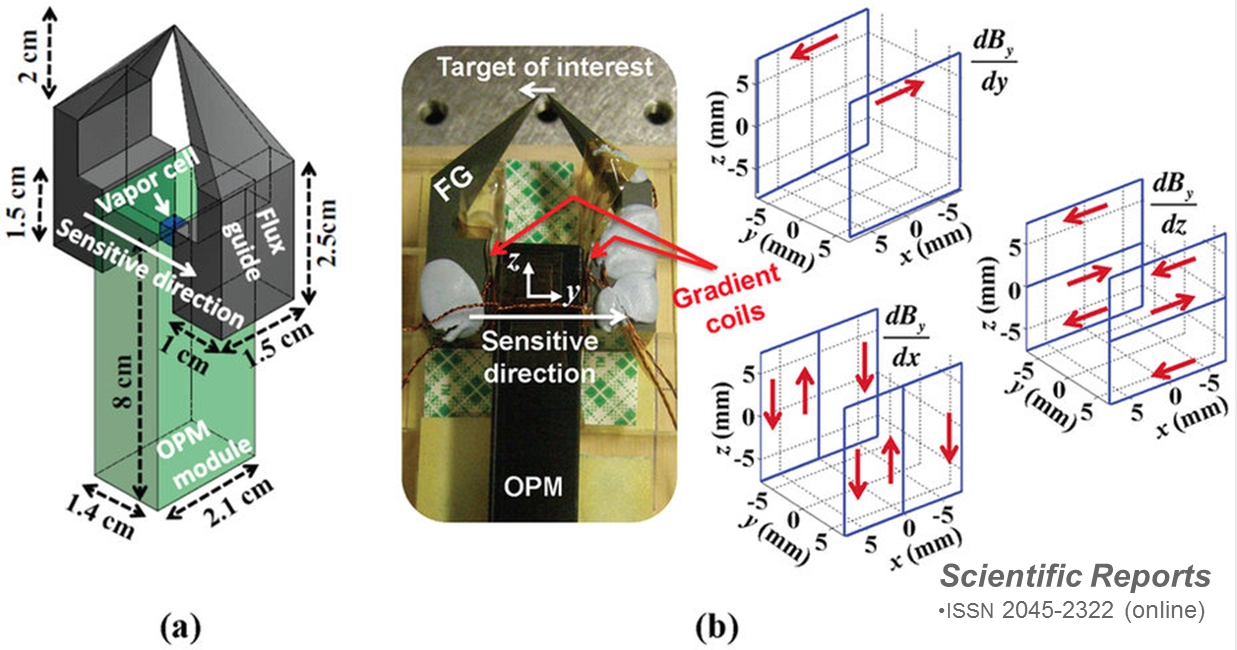
Young Kim and Igor Savukov at Los Alamos National Labs demonstrated a room-temperature magnetic microscope using a QZFM sensor and a ferrite flux guide, projecting an optimized device could combine 80 μm resolution with high sensitivity for applications such as electrode-free single-neuron detection.

Read Post
First experimental prototypes from 2013

First experimental prototypes from 2013

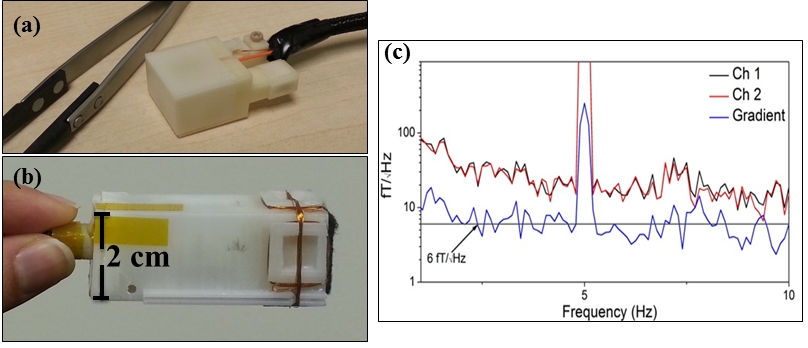
A look back at one of QuSpin's earliest OPM prototypes from December 2012, which helped demonstrate the feasibility of practical non-cryogenic sensors to replace SQUIDs and shares the same basic architecture as the highly engineered commercial version.

Read Post